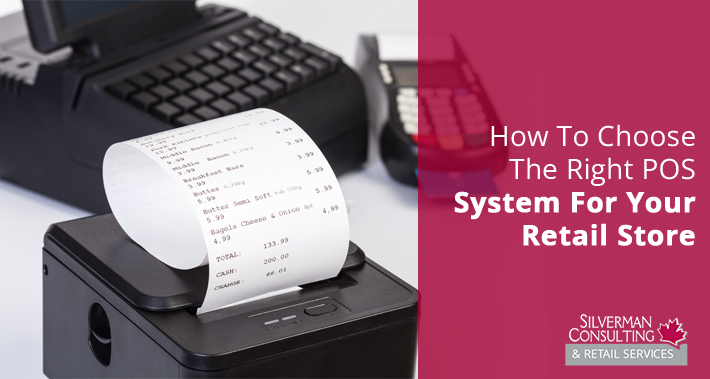
Running a successful business requires constant revitalization to meet the rapidly changing needs of the modern consumer.
Once upon a time, businesses started switching over from traditional cash registers to more modern POS systems that sync with your inventory.
Of course, it’s rare to see a retail store these days with a cash register – and if you do, there’s a good bet they’re just a year or two away from hiring a retail store retirement sale consultant or retail liquidation consultant.
But if you’re still in the game – or if you’re considering starting a new retail business, you might not be sure how to choose the best POS system for your store.
So, let’s take a closer look.
What Is A POS System?
A point of sale, or POS, system is a multifunctional tool that helps businesses with a variety of tasks, such as:
- Calculating purchases
- Preparing invoices
- Management of payment methods
Many modern POS systems today are cloud based, which means your information is securely stored on the internet rather than your personal computer.
Therefore, POS systems can be better at securing your retail store’s information.
Because of this, POS systems are rapidly increasing in popularity within the business world.
How To Pick A Retail Store POS System
Not all POS systems are made the same.
The right POS system for your business depends on a variety of factors.
Let’s lookat some guidelines to help you chose the right POS system for your retail store.
1. First, Understand Your Retail Store’s Needs
The specific needs of your retail store should be taken into consideration when choosing a POS system.
Before you begin shopping around, take some time tofigure outwhich features, functions, and services your business needs in a POS system.
To do this, you can begin by defining the status of your business.
Perhaps you’re starting a brand new business and have never before purchased a POS system.
Or maybe you’ve inherited your retail store from your family, and want to replace their old cash registers with modern POS technology.
You might even already have a POS system, but are looking for an option that works better for your retail store.
The status of your business will influence the types of features needed in a POS system.
Next, make a list of potential deal breakers that would render a POS system improper for your business needs.
For instance, a POS system with poor inventory managementlikely wouldn’t be the best option for a retail store with plenty of overstock.
By listing these potential deal breakers, you will be better able to understand the features that you do need.
Finally, consider the number of POS systems needed.
For instance, a new business often only needs a single POS system whereas a multi location retail store would require a POS system that offers multi store options.
2. Pick One That’s Relevant To Your Niche
Every business has their own set of unique needs.
You should therefore look for a POS system that offers options appropriate to your niche.
For instance, retail and grocery stores require POS systems with strong inventory management.
On the other hand, restaurants and hotels typically use POS systems that are good with managing reservations.
No single POS system can do it all, so make sure you spend plenty of time going over all your options to find the best system for your specific industry.
3. Pick One With Transparent Pricing
With the multitude of options available in POS markets, it’s important to choose one with transparent pricing.
It’s a good idea to look for a POS system that plainly lays out the costs associated with its implementation within your store.
Some of the costs associated with implanting a POS system include:
- The purchasing of software licenses
- Installation fees
- Annual service fees or multiyear contract fees
Additionally, some POS systems don’t include future software updates in their cost – be sure to ask about this.
Unexpected costs are a given in a retail business, but of course you don’t want to be caught off guard with them more than is necessary.

4. Pick One With The Integrations You Need
Some retail stores need additional integrations to help business run smoothly.
For example, if you do a lot of selling online, it’s a good idea to find a POS system that includes ecommerce and other online marketplace integration.
On the other hand, if you hold a lot of inventory, having a POS system that includes warehouse management is going to make your life easier.
Other considerations may include accounting and marketing options.
Consider look for a POS system that offers these integrations, or has an open API which allows you to add integrations externally.
5. Pick One That Has Good Customer Service
Last but certainly not least, make sure to pick a POS system that has good customer service.
Like all technology, POS systems sometimes experience problems after purchase.
Therefore, reliable customer service is important to help you resolve these issues quickly.
Ideally, it’s a good idea to find a POS system that offers helps on multiple platforms, such as phone, support ticket systems, and email.
Contact Silverman Consulting And Retail Services Today
At Silverman Consulting and Retail Services, we understand that businesses sometimes fail despite your best efforts.
So if you’re thinking of holding a retail store going out of business sale, a consultant can help you get the most out of your sale.
If you’ve decided it’s time to get out of the retail business, we can help.
Let’s make this transition in your professional life as smooth and as lucrative as possible, so you can be best positioned for the next chapter.
Contact Silverman Consulting and Retail Services today.
Silverman Consulting & Retail Services229 Yonge St suite 400,
Toronto, ON M5B 1N9, Canada
1 (888) 955-1069