
Owning a retail business takes a lot of work.
It also takes a good budget.
However, there are always times where your budget gets the best of you.
It might be that you’re planning a store relocation and are having trouble finding the cash inflow to make it happen.
Or maybe you’re getting ready to retire in the next few years and want to plan your store budget around creating a comfortable retirement for yourself.
Perhaps you’re sitting on old inventory that’s taking up space, and you’re not sure what to do with it.
Whatever the reason, we’re here to help.
Here at Silverman Consulting & Retail Services, we’re a retail store liquidation consultant firm.
If you’re deciding if you should close your business, we’re here to help.
But if you’re not there yet, today’s retail sales blog can help.
Let’s take a closer look at retail budgeting.
What Is Retail Budgeting?
A retail budget is a comprehensive financial representation of your business strategy for the next fiscal year.
Usually, a retail budget outlines costs, profitability, and planned sales.
Your budget will guide your day to day operations.
This includes decisions such as hiring staff, planning promotions, buying inventory, and paying for services you need.
Through the fiscal year, you compare your actual retail sales to your budgeted sales.
This can help you understand trends in your revenue and adjust your business accordingly.
It can also help you optimize profitability.
Different Budgeting Approaches
When creating your retail budget, there are different approaches you can take.
The two most common approaches are incremental budgeting and a zero-based budgeting approach.
Let’s take a closer look at each approach.
Incremental Budgeting
Most businesses use this approach to budgeting once they have become established businesses.
The incremental approach starts with your budget forecast for the current fiscal year.
With an incremental approach, you adjust your current budget for the upcoming year based on your expectations.
For example, if your employees will be getting a raise in the next year, you can increase your budgeted labour costs based on the amount of the raise.
Once your business is established and has predictable trends in finances, the incremental approach can work well and be a less labour intensive form of budgeting.
Zero-Based Budgeting
Taking a zero-based budgeting approach means you develop a budget from scratch each year.
Because you’re building your budget from scratch each year, you need more time and resources to develop your budget.
This type of budgeting approach is common for retail businesses that are new.
RELATED: How to Start a Retail Business
You might also consider using this type of budget if your business is introducing a new business line or change in your business model.
For example, you might use zero-based budgeting for your established business if you are switching to offering online sales instead of just physical sales.
Retail Business Budgeting, Step By Step
Different businesses will approach budgeting in different ways.
Here we’ve put together a six step guide to help you understand how to create a budget for your retail business.
1. Set Your Goals
Setting goals is the first step.
In order to make a good budget, you need to have a clear understanding of your retail business’s objectives and future goals.
Your budget needs to reflect your plans for attaining these goals.
For example, if you decide that one business goal for the next year is to open a second location, your budget needs to reflect this.
This will include elements like the cost of developing, opening, and marketing your new location, and expected expenses and revenue from it.
Once you have your goals set, you can move on to the next step.
2. Gather All The Data You Can, and Analyze
In order to build your budget, you need to have all the data you can find about previous years.
Analyzing this data helps you understand key metrics.
It also helps you understand what strategies have and haven’t worked in the past.
In general, it’s important to collect data on the following:
- Past sales
- Anomalous events that may have impacted sales
- Gross margin
- Foot traffic
- Variable costs
- Fixed costs
- Marketing calendar
Once you have your data collected, you can analyze it to look for ways to improve how profitable your business is.
If there were times of the year in the past where you were more successful, try to determine why that was and see if you can replicate it.
Once you have a solid understanding of your data and sales metrics, it’s time to move on to step three.
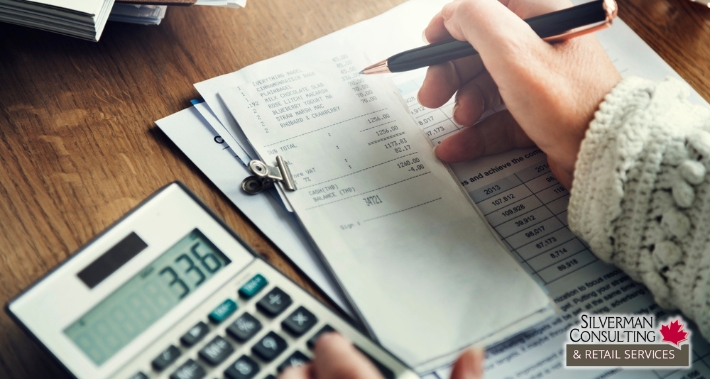
3. Write Your Sales and Cost Budget
Your sales budget should consist of your estimated yearly sales, broken down into months and days.
You should be able to use your sales budget to predict your sales revenue for the year.
Your sales budget determines your expected profits, which informs how much spending you can do in your cost budget.
When setting your sales goals, you’ll want to take into account your overall goals from step one and your data and analysis from step 2.
In your sales budget, you’ll also want to include a growth estimate.
A growth estimate shows how much you predict your sales will grow or shrink in the next year.
This can help you set your overall budget.
You can also include a margin budget.
A margin budget tells you how much profit you make after you remove expenses from your revenue.
Along with your sales budget, you’ll need to create a cost budget.
Your cost budget tells you how much you expect to spend for the next year.
This can include aspects like merchandise, payroll, rent or mortgage payments, and others.
Your cost budget should be set based on your sales budget.
4. Create a Profit and Loss Projection
A profit and loss projection is created by combining your sales and cost budgets.
It will help you predict how much income to expect.
You can include factors like:
- Depreciation: Any expected market decreases in your profits
- Revenue: How much revenue you anticipate making from sales
- Operating expenses: This might include administrative expenses, labour, or expenses related to your facilities
- Shrinkage: how much of your product is lost to shoplifting
- Cost of goods: How much you plan to spend on your inventory
- Common expenses: Any expenses shared between stores, if you have multiple physical locations
- Net profit: Your profit after subtracting costs from your revenue
To make sure your predications are accurate, you can compare it to past years.
Once you have this for the year, you can break it down in whatever way makes sense for your business.
This could be quarterly, monthly, or even weekly.
5. Create a Cash Flow Plan
Your cash flow plan shows how much cash you expect to have at different points in time during the budget period.
It does this by showing your predicted cash inflows and outflows.
A cash flow plan can help you plan for periods when you may not have enough of a cash balance.
It can also show you how well you’re sticking to your budget.
Your cash flow can include parts such as:
- Total annual cash
- Month ending cash
- Outgoing cash
- Net cash
6. Adjust As Needed
As you create your budget, you’ll probably go through multiple rounds of adjusting it.
You’ll also want to make sure relevant people in your retail business, such as your managers, agree with your plan.
Once you finish your budget, you won’t adjust it again.
However, you will spend time monitoring your actual results compared to your budget.
This can help you stay accountable to your budget and plan for future years.
Your budget is just one of the many tools you can use to better manage your business.
It can help you by setting realistic goals based on historic data.
But it’s also a good idea to monitor current data and changes to the business environment.
Contact Silverman Consulting and Retail Services Today
Maintaining a budget for your retail store is key to success.
But what if you’re working on your exit plan from the retail world?
If so, we’re here to help.
At Silverman Consulting and Retail Services, we’ll manage your store closing sale, helping you maximize profits so you can prepare for your next stage of life.
Contact Silverman Consulting and Retail Services today.
Silverman Consulting & Retail Services229 Yonge St suite 400,
Toronto, ON M5B 1N9, Canada
1 (888) 955-1069